
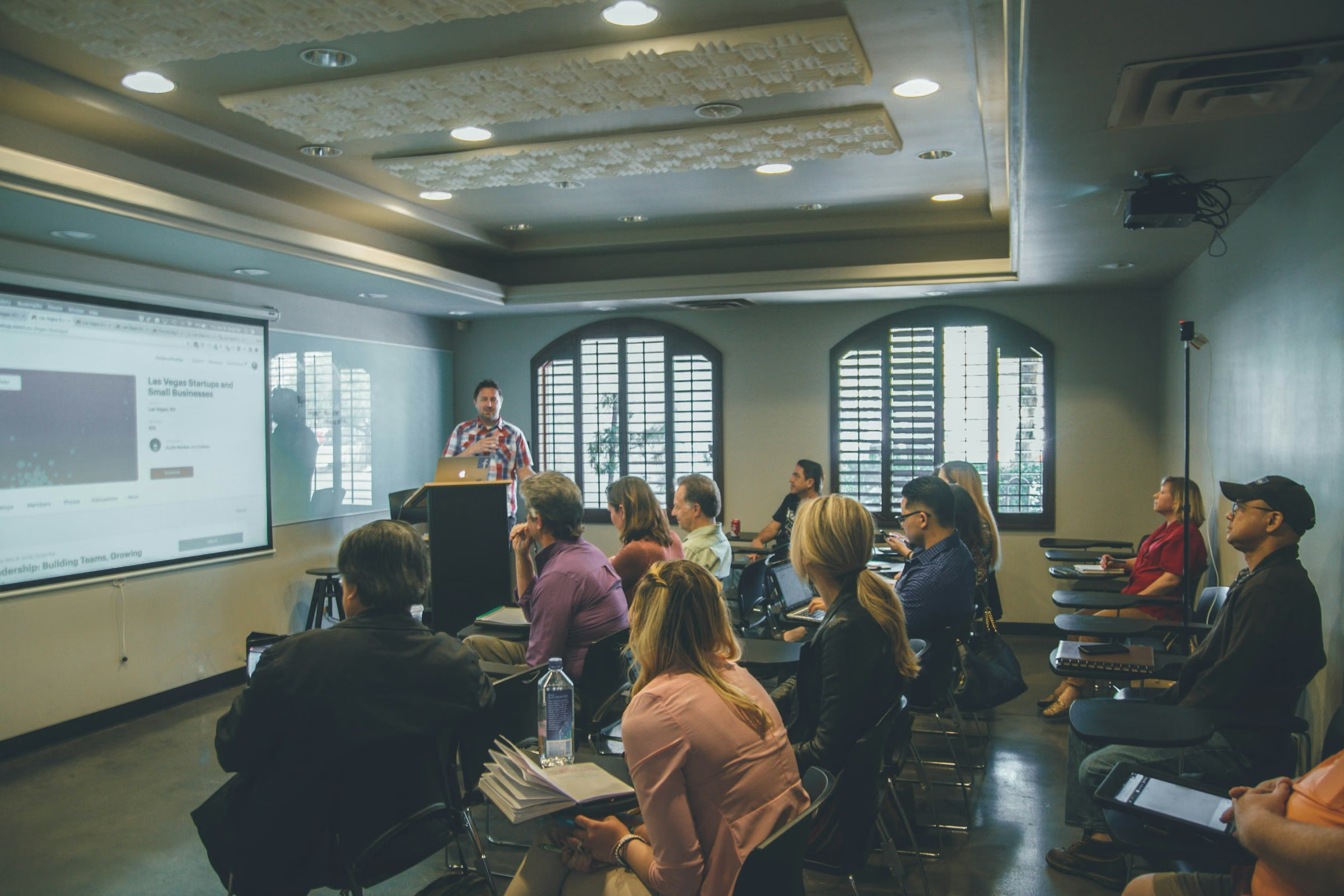
Training on the taxes you deal with
Sessions that explain how a UK tax works, what it asks of you and when, so you can keep your own affairs in order and recognise when a question needs advice.
Who the training is for
If you deal with HMRC yourself, or work alongside an accountant who does, it helps to understand the rules before a deadline forces the question. These sessions are for people who want that grounding:
- sole traders and landlords who file their own Self Assessment return, or who want to understand the return their accountant prepares;
- directors of small limited companies who need to know how Corporation Tax, payroll and dividends fit together;
- people who keep the books for a small business and want to understand the tax consequences of what they record;
- individuals facing a one-off event, such as selling a property or a shareholding.
Training explains how the rules work. It is not advice on your own figures, which is a separate piece of work.
Each topic below is described by what a session would set out to explain. The aim is that you leave knowing what the tax requires of you, the dates that matter, the records that support the figures, and the points at which a question has become one for an adviser rather than for general guidance.
Topics
Income Tax and Self Assessment
What makes someone need to file a return, and the timetable that follows: registering by 5 October after the end of the tax year, filing by 31 October on paper or 31 January online, paying by 31 January and, where payments on account apply, a second payment by 31 July. The session covers how taxable profit is worked out for a sole trader or landlord, which expenses are allowable and which are not, how the personal allowance and tax bands interact, and what records to keep and for how long. Related service: Self Assessment.
VAT for small businesses
When registration becomes compulsory, and when choosing to register voluntarily can make sense. The session goes through the rates, what a VAT invoice needs to show, how a return is built from the records, the deadline of one month and seven days after each period, and the penalty points system. It also introduces the Flat Rate, Cash Accounting and Annual Accounting schemes, and areas such as partial exemption and the construction reverse charge for businesses they affect. Background reading: VAT registration and VAT returns.
PAYE and payroll basics
What changes when a business takes on its first employee, or when a director goes on the payroll. The session covers registering as an employer, how tax codes and National Insurance work through the payroll, sending each Full Payment Submission on or before payday, paying HMRC by the 22nd of the following tax month when paying electronically, and the tasks at the end of the tax year. Related service: payroll.
Corporation Tax essentials
How a company’s tax is worked out and when it is due. The session explains accounting periods, why taxable profit differs from the profit in the accounts, how capital allowances work, the main rate and small profits rate structure, and the two deadlines most small companies face: payment 9 months and 1 day after the end of the accounting period, and the Company Tax Return 12 months after it. It also covers the tax side of taking money out of a company through salary, dividends or a director’s loan. Related service: Corporation Tax.
Capital Gains Tax
What counts as a disposal, how a gain is calculated from the proceeds and allowable costs, how the annual exempt amount and the rates apply, and when relief is available on selling your home. The session explains the separate reporting rule for UK residential property, where tax has to be reported and paid within 60 days of completion, and gives an outline of Business Asset Disposal Relief for people selling a business or shares in their own company.
Making Tax Digital
What digital record keeping means in practice. For VAT, Making Tax Digital has applied to every registered business since April 2022. For Income Tax, it began on 6 April 2026 for sole traders and landlords with qualifying income over £50,000, and the threshold is scheduled to fall to £30,000 from 6 April 2027 and £20,000 from 6 April 2028. Those within it keep digital records, send quarterly updates and file their return from compatible software. The session explains how to work out whether and when it applies, what a digital link is, and how to prepare records before the start date.
How sessions are arranged
Sessions are arranged on request. Tell us the topics you are interested in, who will attend and roughly what they already know. We then agree the content with you before the session, so the time is spent on the parts that matter to you rather than on material you already have.
Each session is based on the rules in force when it is given. Tax rates, thresholds and Making Tax Digital dates change, often at the start of a tax year, and sessions are updated to reflect them. Examples are general illustrations rather than real cases.
To ask about a session, contact us.
Common questions
Do I need any accounting knowledge before a session?
No. The sessions are meant for people who run a business or manage their own tax affairs, not for accountants. Before a session we ask what you already know and what you want to be able to do afterwards, so the content can start at the right level. If you already keep your own books or file your own return, the session can go further into the detail.
Will a training session replace advice on my own tax affairs?
No. Training explains how the rules work in general, using plain examples. It does not review your own figures or tell you what to put on a return. If you want that, it is a separate piece of work, for example through our Self Assessment, Corporation Tax or VAT services. A session can still help you understand the questions to ask and the records to keep.
Can a session cover more than one topic?
Tell us which topics matter to you and who will be attending, and we will discuss what can sensibly be covered. Some topics sit naturally together, such as VAT and Making Tax Digital, or Corporation Tax and payroll for a company director. Others, such as Capital Gains Tax on a property sale, are often wanted on their own.
How do I arrange a session and find out what it costs?
Contact us by email, phone or WhatsApp with the topics you are interested in and who the session is for. We will explain how sessions are run and what they cost before anything is agreed, so you can decide whether it suits you.
Is the training up to date with Making Tax Digital for Income Tax?
Sessions are prepared on the rules in force at the time they are given. Making Tax Digital for Income Tax began on 6 April 2026 for sole traders and landlords with qualifying income over £50,000, and the threshold is due to fall to £30,000 from April 2027 and £20,000 from April 2028. A session can explain what that means for record keeping and reporting.
Related
Self Assessment
Preparing and filing personal tax returns for the self-employed, landlords, partners and anyone with income outside PAYE.
VAT returns
VAT returns prepared from your bookkeeping and filed through Making Tax Digital software, with the right scheme checked.
Payroll
Payroll for small employers and director-only companies, from RTI submissions and payslips to year-end forms and pension duties.
Corporation Tax
Corporation Tax computations and CT600 returns for limited companies, prepared from the year-end accounts and filed in iXBRL.
Talk to us about what you need
Tell us what you have to do and by when. We will explain what is involved and send you a fixed-fee quote, agreed in writing before any work starts.